All About the Duty of an Emulsifier in Food and Its Significance in Modern Food
Emulsifiers are crucial in modern cuisine, promoting the blend of immiscible liquids like oil and water. Their capability to maintain combinations improves the texture and flavor of different food. From salad dressings to baked items, emulsifiers play a considerable function in both industrial and home food preparation. The science behind their feature and the future technologies in their usage continue to be much less checked out. What a lot more could be uncovered regarding these important cooking agents?
Understanding Emulsification: The Science Behind the Refine
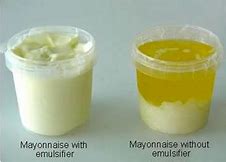
Emulsification may seem like a simple cooking technique, it involves intricate clinical concepts that are vital for creating secure mixes of immiscible fluids, such as oil and water. At the heart of this procedure lies the concept of surface tension, which prevents the two fluids from blending naturally. Emulsifiers, materials that reduce surface stress, play a crucial role in promoting the mix of these fluids. They possess both hydrophilic (water-attracting) and hydrophobic (water-repelling) residential or commercial properties, permitting them to secure themselves at the user interface between oil and water.
When an emulsifier is presented and the mix is perturbed, it forms a safety obstacle around dispersed droplets of one liquid within the other, stabilizing the mixture. This action not only enhances texture and mouthfeel in food items but likewise adds to their aesthetic allure. Emulsifier In Food. Comprehending the scientific research behind emulsification is fundamental in contemporary cuisine, enabling cooks to develop a range of sauces, dressings, and emulsified recipes
Typical Kinds Of Emulsifiers Used in Food
Emulsifiers are essential ingredients in the food industry, playing an essential duty in stabilizing combinations of oil and water. Different kinds of emulsifiers are generally utilized, each with unique residential or commercial properties suited for various applications. Lecithin, stemmed from soybeans or egg yolks, is just one of one of the most popular natural emulsifiers, frequently located in dressings and delicious chocolates. Mono- and diglycerides, which are stemmed from glycerol and fatty acids, are widely utilized in baked goods and margarine to boost texture and extend shelf life. Another usual emulsifier is polysorbate 80, preferred for its ability to improve the uniformity of gelato and sauces. Additionally, xanthan gum tissue and guar periodontal work as thickening agents that also contribute to emulsification in gluten-free products. These emulsifiers are integral to developing a stable, tasty product in contemporary food formulations, making certain a positive sensory experience for customers.
The Role of Emulsifiers in Numerous Food Products
A selection of food count on emulsifiers to achieve desired textures and security. These substances facilitate the blending of immiscible liquids, such as oil and water, which is necessary in numerous refined foods. In salad dressings, emulsifiers aid maintain a constant mixture, protecting against separation and enhancing rack life. In baked items, they contribute to a consistent crumb framework and moisture retention, enhancing general top quality.
Emulsifiers also play a substantial duty in milk items, such as ice lotion and yogurt, where they stabilize fat globules, making sure a smooth mouthfeel. Furthermore, in sauces and condiments, they improve viscosity and boost spreadability. This capability is vital in the manufacturing of chocolates, margarine, and mayonnaise, where a natural product is needed. Overall, making use of emulsifiers in numerous foodstuff is important to modern food manufacturing, enhancing security and consistency throughout a variety of products.
Exactly How Emulsifiers Enhance Structure and Taste

When included right into foodstuff, emulsifiers significantly enhance both appearance and taste, developing an even more enjoyable eating experience. These compounds assist in the blending of components that normally do not blend well, such as oil and water, causing a smoother, creamier uniformity. This not only improves mouthfeel but likewise permits tastes to spread evenly throughout the item, intensifying the general taste.

Emulsifiers in Home Food Preparation: Tips and Techniques
Just how can home chefs effectively utilize emulsifiers to improve their recipes? Emulsifiers play a vital duty in achieving desirable textures and flavors in homemade recipes. Using egg yolks in mayo or hollandaise sauce enables for a stable solution, incorporating oil and water effectively. Home cooks can also try out mustard, which functions as an blog emulsifier in vinaigrettes, making certain a smooth uniformity.
In cooking, integrating lecithin, located in egg yolks or soy, can boost dough security and wetness retention. Furthermore, making use of business emulsifiers like xanthan periodontal or guar periodontal can assist thicken sauces and dressings while maintaining a creamy mouthfeel.
When producing ice creams or whipped toppings, emulsifiers can avoid ice crystal development, resulting in a smoother appearance. By understanding these techniques, home chefs can significantly boost their culinary productions, offering pleasurable and consistent recipes that display the power of emulsification.
The Future of Emulsifiers in Culinary Development
As the culinary world continues to evolve, the duty of emulsifiers is poised to become progressively innovative and varied. Advancements in food scientific research are causing the development of brand-new emulsifying agents stemmed from natural resources, which accommodate health-conscious customers and improve the sensory qualities of recipes. Advancements such as plant-based emulsifiers are gaining grip, allowing chefs to develop vegan and allergen-free choices without endangering appearance or flavor.
In Going Here addition, making use of emulsifiers in molecular gastronomy is expanding, enabling cooks to try out one-of-a-kind structures and presentations that astound diners. As sustainability ends up being a top priority, the future might see a shift in the direction of environmentally friendly emulsifiers that lower ecological impact.
Eventually, emulsifiers will certainly continue to play a crucial role in culinary innovation, linking the space between practice and modernity, and allowing chefs to push the borders of creative thinking in their kitchens.
Often Asked Inquiries
Are Emulsifiers Safe for People With Allergies?
Emulsifiers can be safe for individuals with allergic reactions, relying on their details level of sensitivities. However, particular emulsifiers, acquired from allergenic resources like soy or eggs, might cause responses, requiring careful active ingredient examination and examination with health care professionals.
How Do Emulsifiers Influence Food Life Span?
Emulsifiers enhance food life span by stabilizing blends, preventing separation, and reducing microbial development. This stability helps maintain texture and flavor in time, permitting items to remain risk-free and appealing for consumption much longer than without emulsifiers.
Can Emulsifiers Be Derived From All-natural Resources?
Yes, emulsifiers can be originated from all-natural sources such as plants, eggs, and milk products (Emulsifier In Food). These natural emulsifiers help maintain mixes, boosting texture and consistency in numerous food applications while being liked for health-conscious consumers
What Are the Ecological Impacts of Emulsifier Production?
The ecological effects of emulsifier manufacturing consist of resource deficiency, habitat damage, and air pollution from synthetic procedures. Natural a knockout post emulsifier sourcing can alleviate some effects, yet generally, commercial practices still position substantial ecological difficulties to communities worldwide.

Exist Vegan Emulsifiers Available in the marketplace?
Yes, there are several vegan emulsifiers available in the market, such as lecithin acquired from soy or sunflower, guar gum tissue, and xanthan periodontal. These options accommodate plant-based diet regimens without compromising emulsifying homes.
Emulsifiers are vital components in the food market, playing a vital duty in supporting mixtures of oil and water. A range of food products count on emulsifiers to accomplish wanted structures and stability. When included right into food products, emulsifiers substantially boost both texture and taste, producing a more delightful consuming experience. Furthermore, emulsifiers can stabilize air pockets in whipped items like mousses and lotions, leading to a light and airy appearance. Emulsifiers improve food rack life by maintaining mixes, avoiding separation, and minimizing microbial growth.